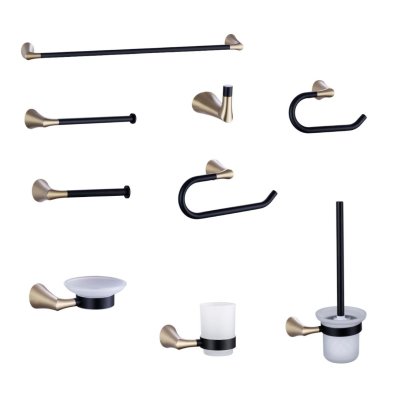
OYAQUA has completed an upgrade to its production lines, increasing monthly capacity to over 8,000+ PCS.
OYAQUA has completed an upgrade to its production lines, lifting monthly capacity to more than 8,000+ pcs across the full bathroom range — shower systems, bathroom vanities, faucets and bathroom accessories. The upgrade focused on three stages of production: These are the stages where inconsistency turns into a customer problem. A faucet that leaks is rarely a design failure — it is a component machined slightly out of tolerance, a sealing surface finished unevenly, or a batch that was never properly pressure-tested. Tighter machining and standardised testing exist to remove that variability. The wider industry is moving the same way. In-line air-tightness and water-pressure stations are increasingly standard on higher-volume faucet lines, adopted specifically to cut leak-related returns — the most common cause of product returns in this category. Plants that run automated CNC machining and robotic polishing also reach higher capacity utilisation than workshops still dependent on older manual processes — roughly 75–90% against 50–65%, according to market analysis of the Chinese bathroom faucet industry. OYAQUA manufactures in Jiangmen, Guangdong. Kaiping and the wider Jiangmen area form one of China’s three principal faucet clusters — alongside Wenzhou in Zhejiang and Nan’an in Fujian — and together those three regions account for an estimated 65–80% of China’s faucet production capacity. National output of bathroom faucets is estimated at 400–550 million units for 2025–2026. OYAQUA’s own model is narrower by design: one factory per category, each focused on a single product line, with engineers and QC testing every batch. The upgrade adds capacity to that structure rather than spreading it thinner. Capacity only matters if it is reliable. Higher monthly output means larger project orders can be quoted with realistic delivery dates, and one big order no longer stalls everything behind it. Consistent finishing and tested sealing mean fewer units coming back from site — which is the cost that hurts a distributor most. OYAQUA will keep investing in the production base as demand grows. Distributors and project buyers who want to discuss volumes, lead times or product mix can reach us through our Contact page.What Changed on the Line
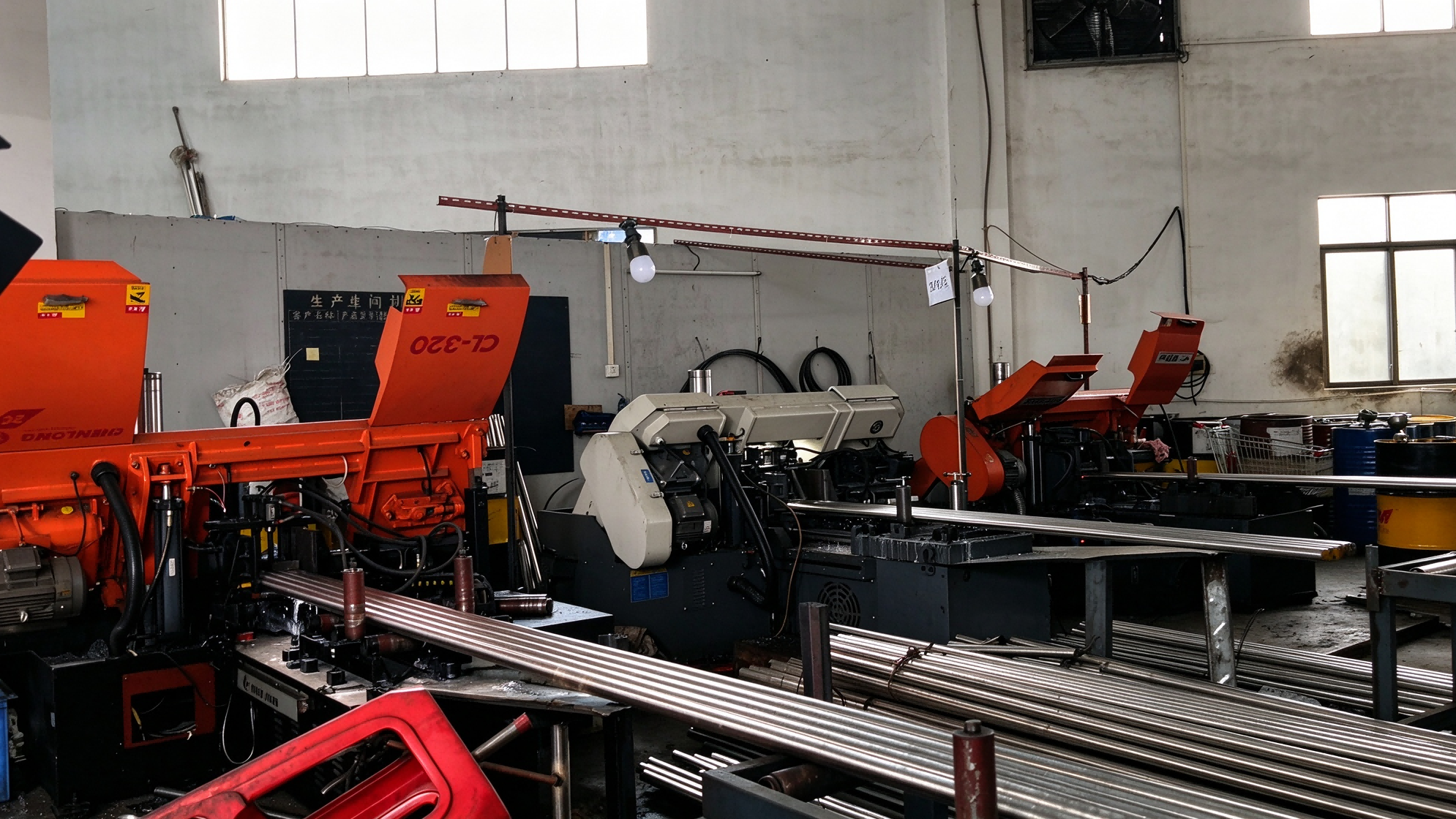 Representative image — CNC machining of fixture components.
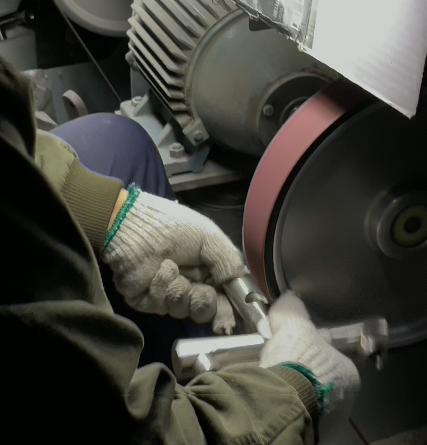 Representative image — polishing and surface finishing.
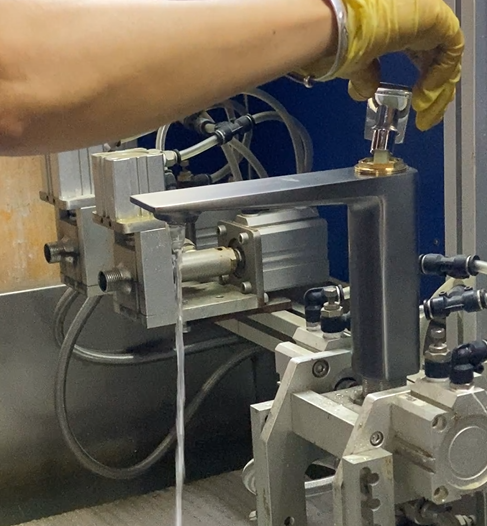 Representative image — water-pressure and air-tightness testing before packing.
Why Those Three Stages

Built Inside China’s Faucet Cluster
What It Means for Distributors
Continuing to Scale