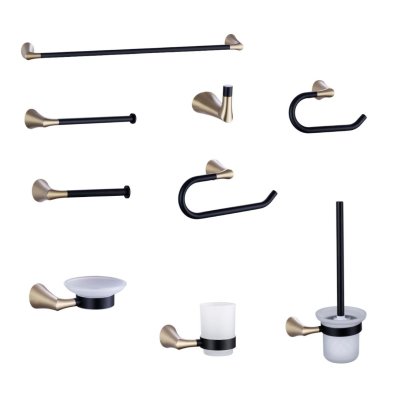
Sales teams expanded across 7 African countries, with over 50 local employees now on board.
Seven Countries, One Team on the Ground
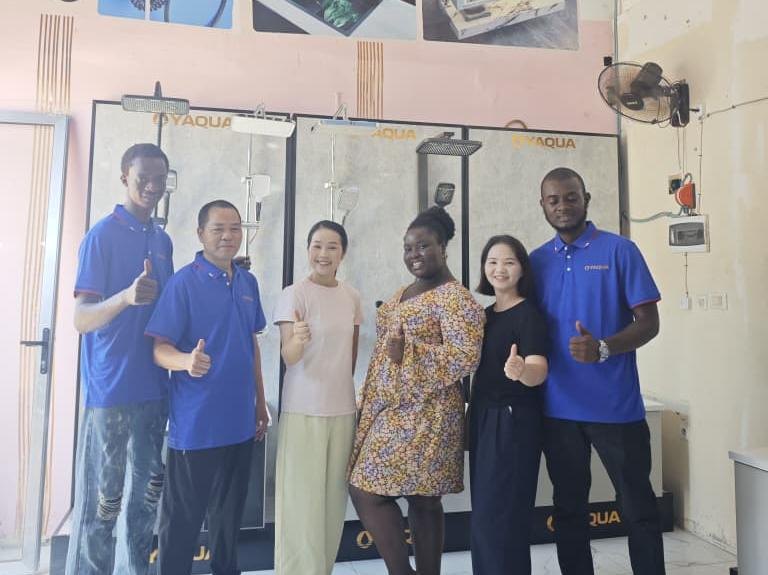
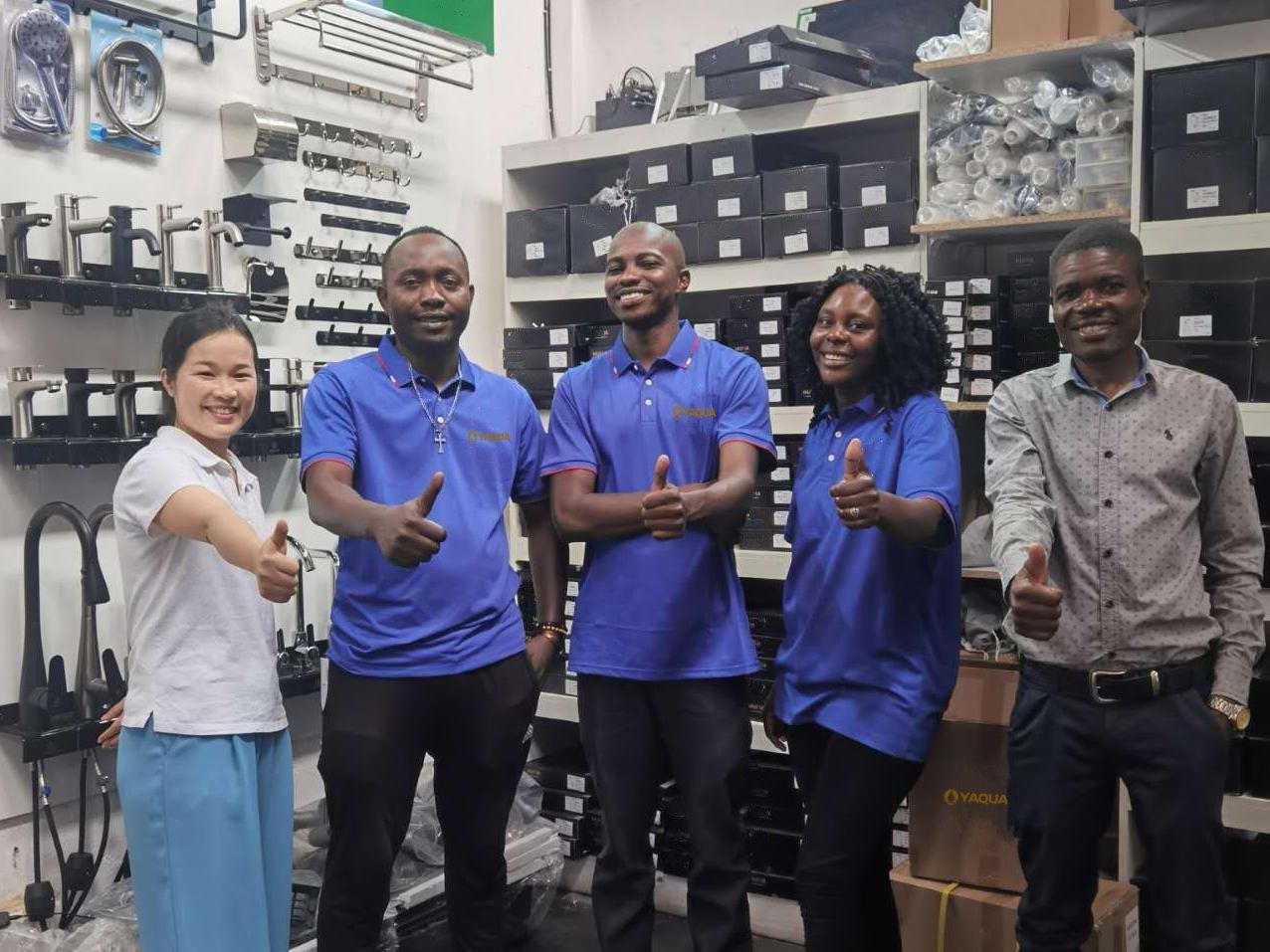
OYAQUA has expanded its sales and service teams across its seven African markets. More than 50 local employees are now on board in Nigeria, Uganda, Senegal, Tanzania, Guinea, Zimbabwe and Kenya, working directly with distributors, retailers, plumbers and project customers.
This is not a new direction for the brand. OYAQUA products are designed around African water conditions, and the people who sell and support them are based in the same markets they serve — not managed remotely from another continent.
What the Local Teams Do
Local employees cover the work that decides whether a customer stays. The team handles:
- Sales and channel development — supporting distributors, retailers and project buyers with product selection, quotations and order follow-up.
- After-sales and technical support — answering installation questions, troubleshooting issues and arranging spare parts inside the same market.
- Warehouse and logistics — managing local stock, order picking and delivery so products move quickly from shelf to site.
- Installer training — supporting the OYAQUA Plumbing Academy and helping local technicians fit and maintain products correctly.
Because these roles are staffed locally, partners get answers in their own language and their own working hours, from people who know the local market and its customers.
Meet the Teams on the Ground
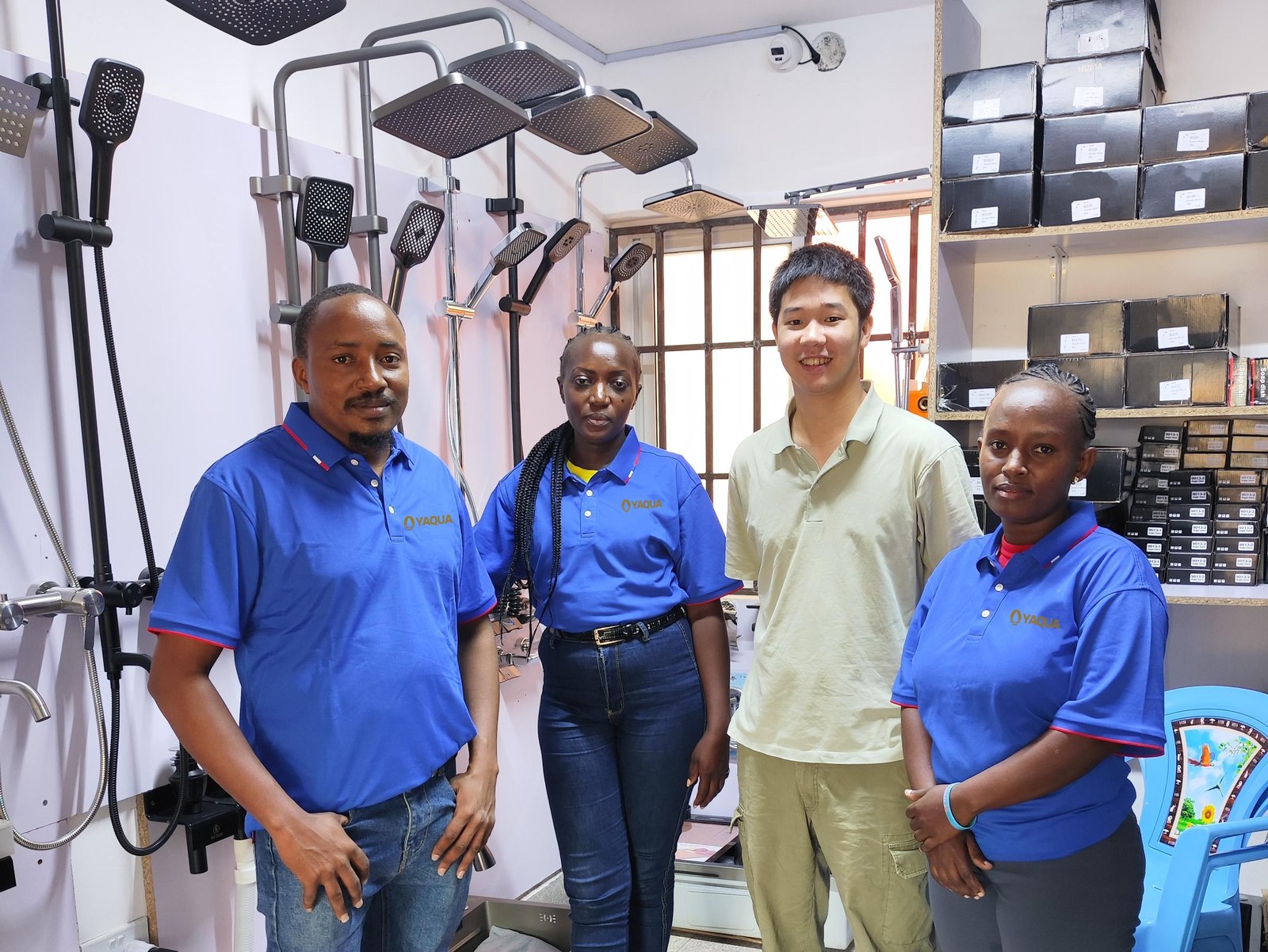
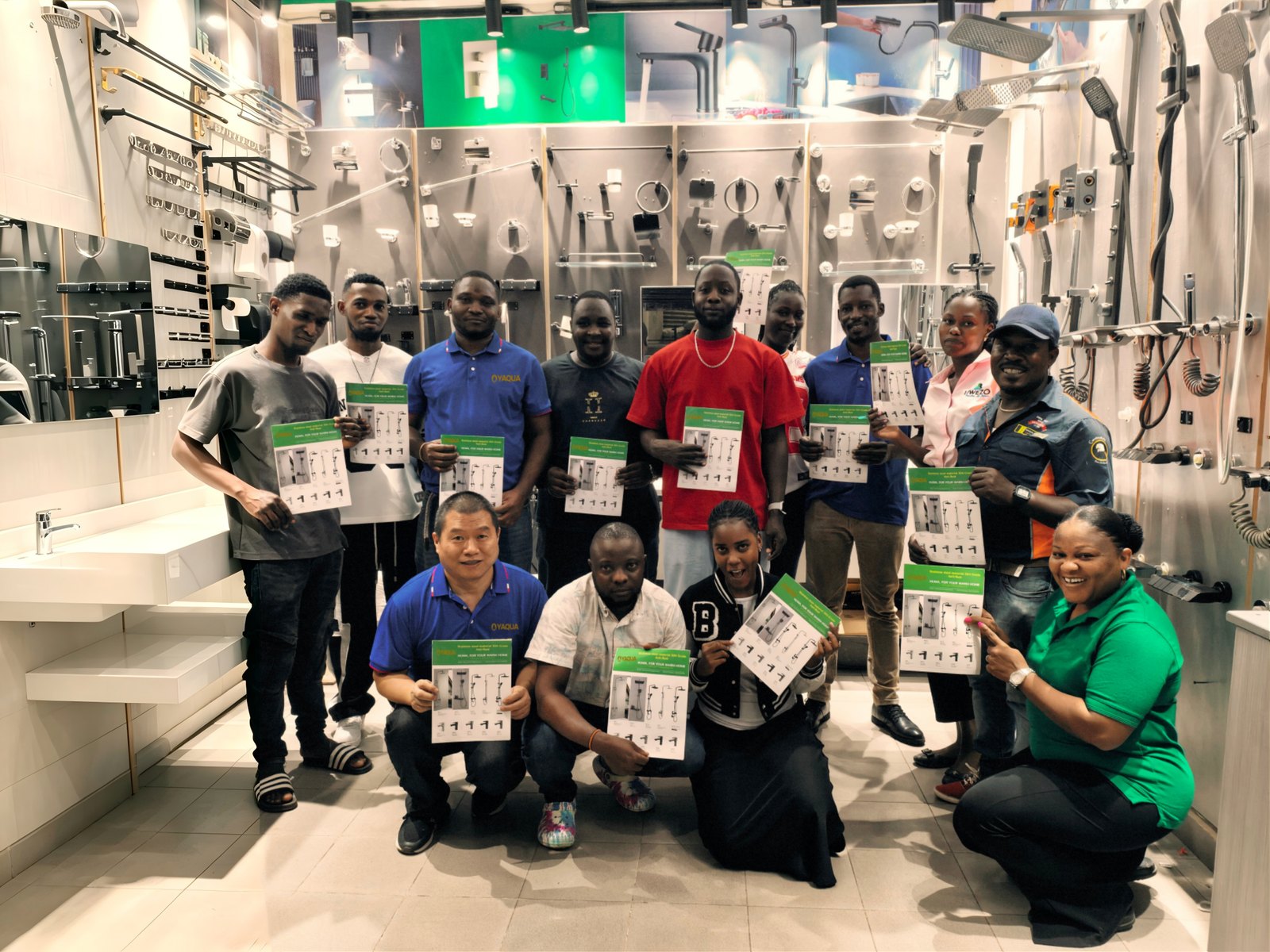
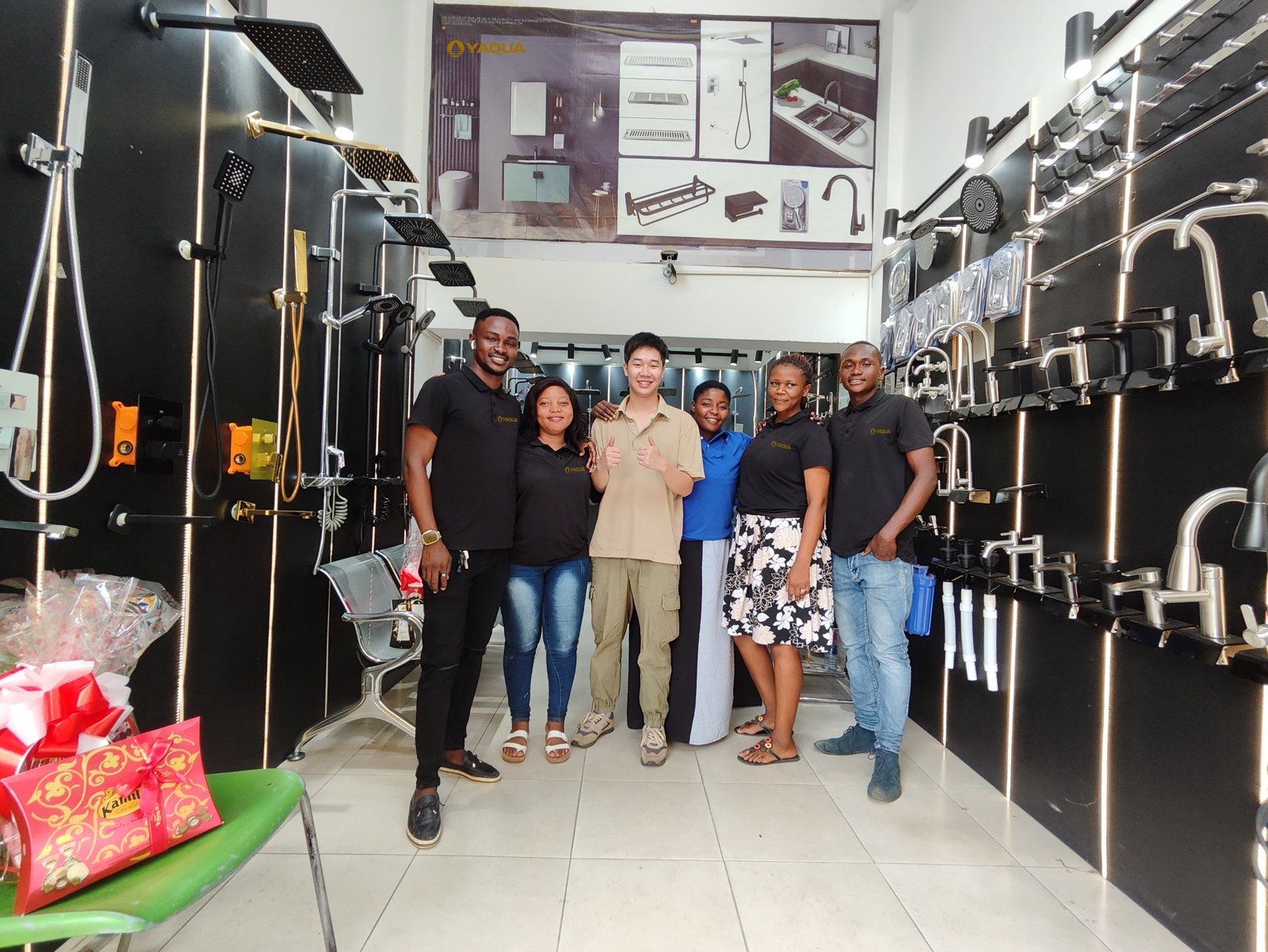
Our teams work across all seven markets. These photographs show five of them at work.
A Shift Toward Local Teams Across Africa
OYAQUA’s expansion reflects a wider pattern in how international businesses operate on the continent. A McKinsey survey of more than 1,000 companies in eight African countries found that around 89% of their employees were African, representing roughly 300,000 local jobs. Research by SOAS, University of London, recorded workforce localisation rates of about 90% in Ethiopia and around 75% in Angola, and found that localisation rises as companies establish themselves in a market over time.
Demand is supporting that shift. UN-Habitat estimates Africa’s housing backlog at more than 51 million units, with the continent’s urban population projected to reach 1.4 billion by 2050. That pipeline of homes, hotels, schools and hospitals needs suppliers who can answer fast, not just ship fast.
What It Means for Partners
For distributors and project buyers, a local team changes the day-to-day reality of working with a supplier. Stock sits closer, so replenishment is quicker. Spare parts are available locally, so a single faulty cartridge does not become a stalled project. Technical questions are handled by someone in the market rather than passed back to a factory. And when something needs to be checked on site, there is a person who can go and look.
That is the practical value of the expansion: not a bigger head office, but more people standing next to the customers OYAQUA serves. OYAQUA will keep growing these teams alongside demand — and if your business distributes, installs or supplies bathroom products in these markets, reach out through our Contact page.