Low-Pressure Cartridges
Ceramic-disc cartridges open smoothly even when the supply is only 0.1–0.3 bar, so basins and showers still feel usable on gravity-fed tanks.

Yes. Oyaqua designs its sanitary-ware ranges for the conditions found across African markets — from low-pressure roof tanks and gravity-fed plumbing through to pump-boosted municipal lines and hard, sediment-laden borehole water. Our product team selects cartridges, seals, spray faces and surface finishes with these variables in mind. Exact pressure ratings, flow curves and material choices for each model are listed in the model specification sheet.
| Supply type | Typical pressure | Common water quality | How Oyaqua addresses it |
|---|---|---|---|
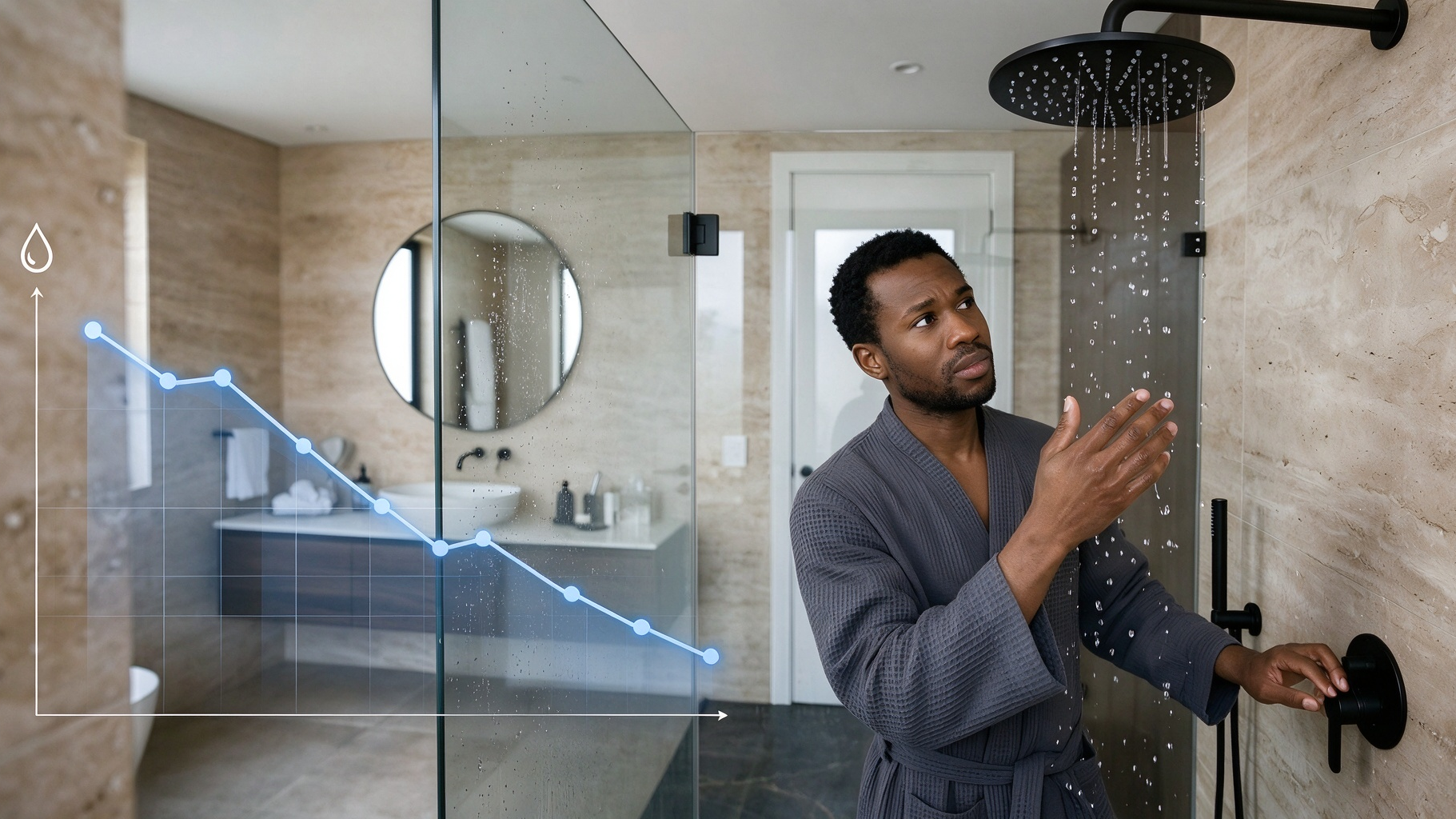
| Roof tank / gravity feed | 0.1 – 0.3 bar | Generally clean municipal water, but low and uneven pressure | Low-pressure ceramic cartridges, air-boost shower handsets, wide-flow basin mixers and quiet fill valves |
| Municipal main with pump boost | 0.5 – 4 bar | Chlorine, occasional sediment, pressure spikes | Standard ceramic cartridges with built-in strainers, pressure-surge friendly hoses and valves |
| Borehole / well direct | 1 – 4 bar (pump dependent) | High hardness, iron, manganese, sand and silt | Easy-clean silicone nozzles, removable aerators, corrosion-resistant finishes; pre-filter recommended |
| Intermittent / scheduled supply | Fluctuating, often dry periods | Sediment stirred up when supply returns; stored water may age | Works with storage-tank and booster-pump combos; non-return valves and flush-friendly designs |

Ceramic-disc cartridges open smoothly even when the supply is only 0.1–0.3 bar, so basins and showers still feel usable on gravity-fed tanks.
Handsets mix air into the stream to give a fuller feel at modest pressure, and they are rated for both tank-fed and pump-boosted systems.
Mixer designs with generous flow paths reduce the restriction that often makes gravity systems feel weak at the spout.
Toilet cistern fill valves are chosen to start filling at low pressure and remain stable when a booster pump raises the pressure.
Flexible hoses and shut-off valves are selected to tolerate the pressure surges created by booster pumps and intermittent supply.
Where site pressure is too low or too high, OYAQUA fixtures can be paired with booster pumps or pressure-reducing valves as part of the plumbing design.
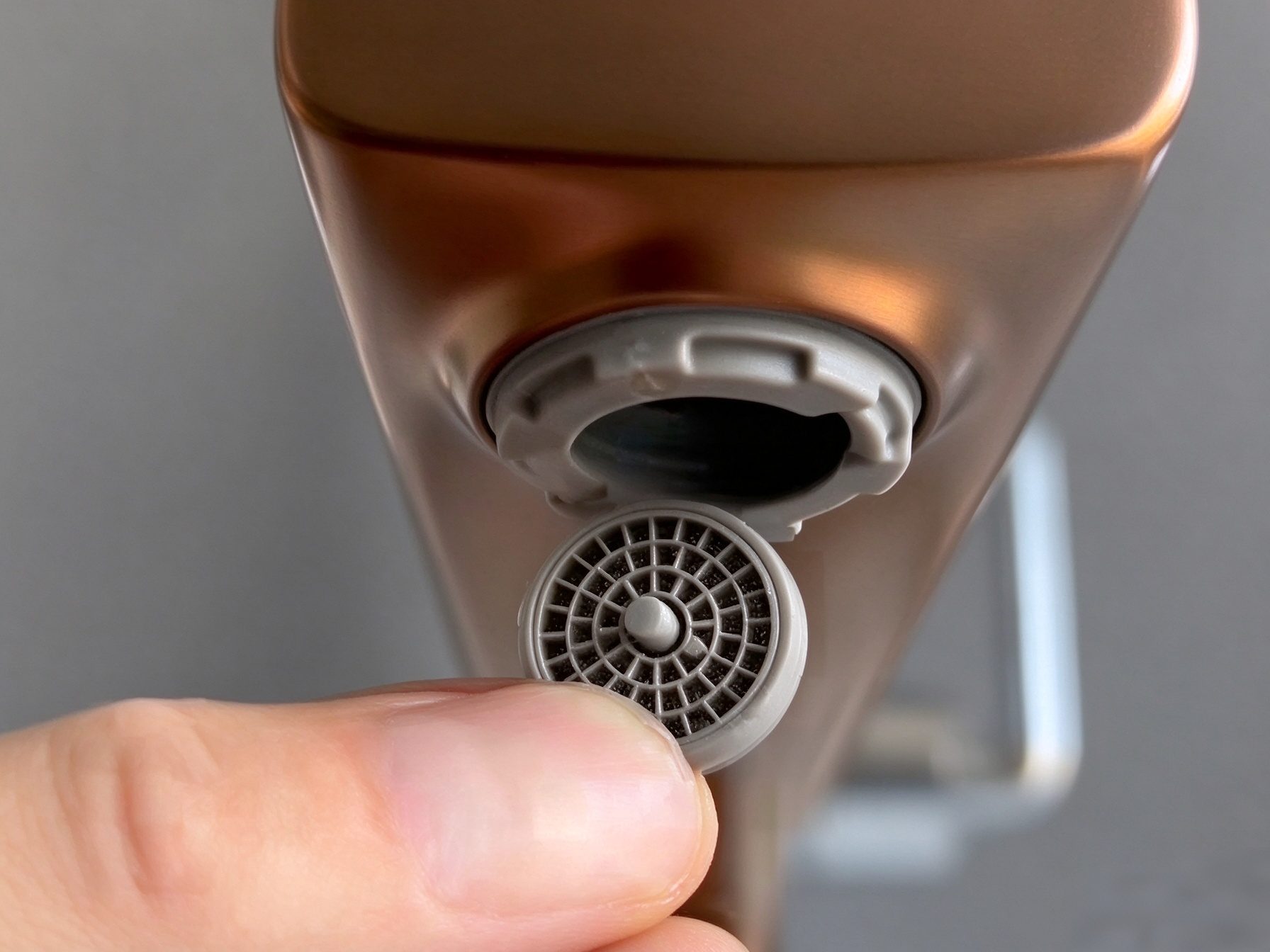
Shower handsets use soft silicone nozzles that can be rubbed clean, aerators unscrew for descaling, and ceramic surfaces are glazed to resist scale sticking.
Cartridges include mesh strainers to catch particles. In heavy silt or borehole water we recommend an 80–200 mesh pre-filter before the fixtures.
PVD and stainless-steel finishes are less prone to spotting and surface attack than standard coatings; a regular wipe-down keeps them looking fresh.
Seals and cartridges are selected for the pH ranges commonly found in African municipal and groundwater sources (roughly pH 6.5 to 9).
Send Oyaqua five pieces of information and we will match the right models to your project or stock plan:
Send Oyaqua your pressure range, water source and any test results. We will recommend the OYAQUA models, finishes and any site-level pre-filtration that makes sense for your supply.
Send Your Water & Pressure Details